Seafood Risotto with White Wine
Highlighted under: Worldly Creations
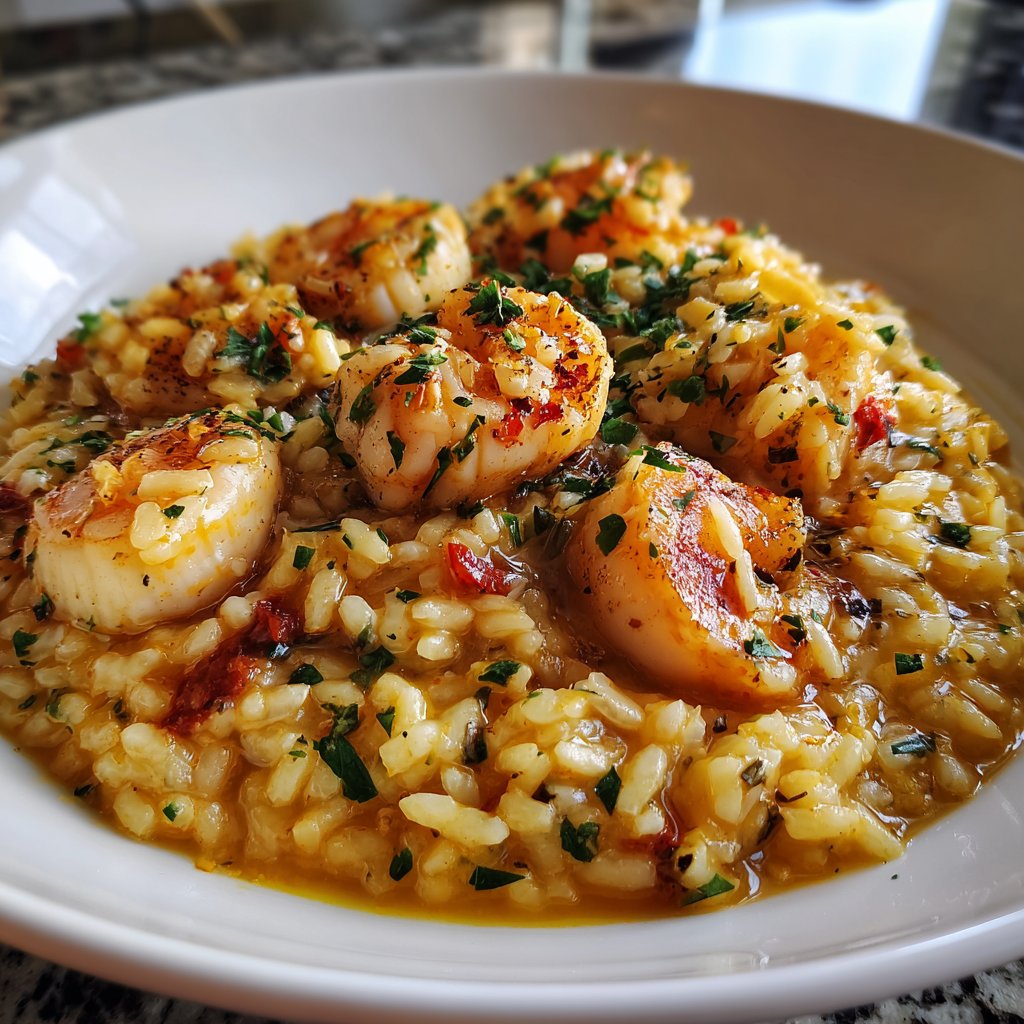
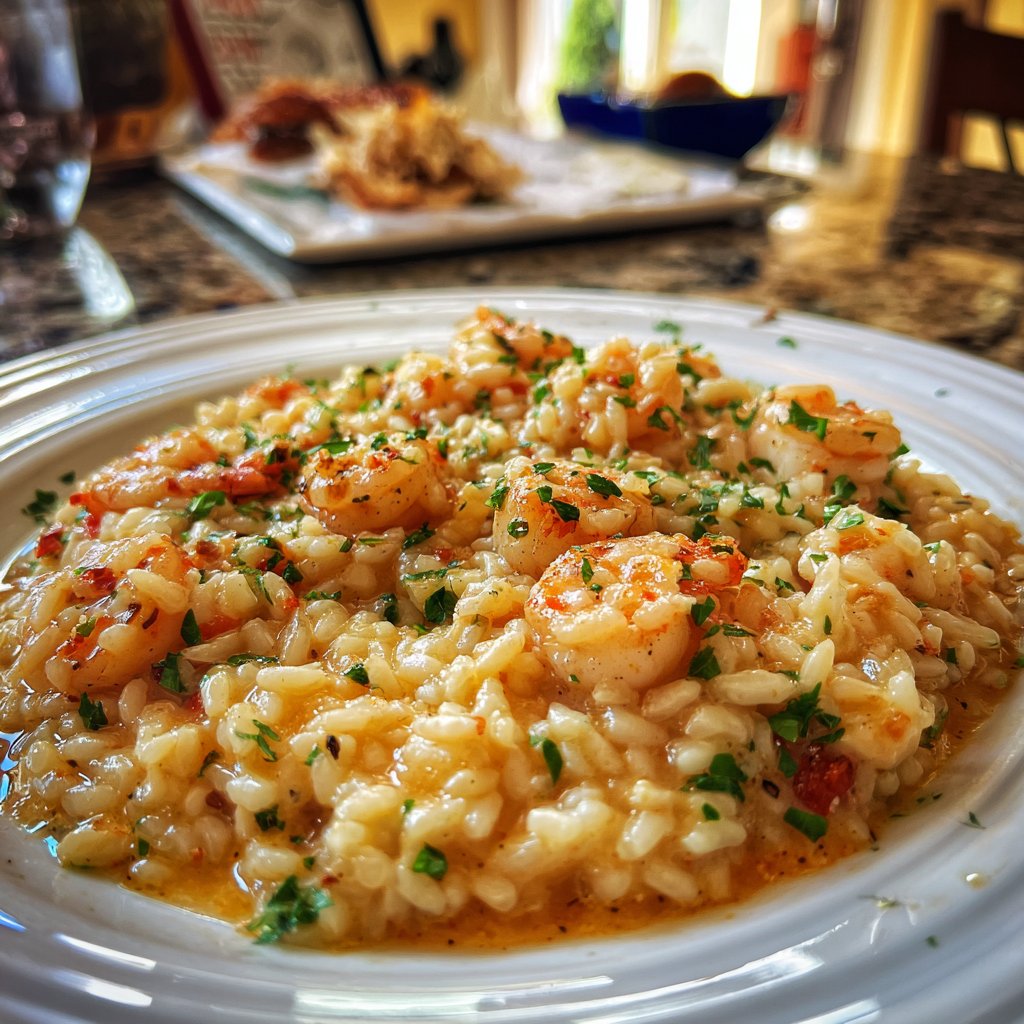
I absolutely love preparing Seafood Risotto with White Wine. It’s a comforting dish that never fails to impress at dinner gatherings. The way the creamy risotto melds with the fresh seafood creates an indulgent experience. I find that the addition of white wine elevates the flavor profile magnificently, adding a depth that you wouldn’t want to miss. It's a labor of love, but the end result is so rewarding, making every minute spent in the kitchen worth it. Let me share how to recreate this delightful dish at home!
When I first tried making Seafood Risotto, I was driven by my love for both seafood and creamy textures. I experimented with various seafood types and settled on shrimp and scallops for their delicate sweetness, which pairs beautifully with the creamy rice. The key was to ensure that each step, especially the gradual addition of broth, was executed with patience to achieve that perfect creamy consistency.
Through trial and error, I discovered that finishing the risotto with a splash of white wine not only adds an aromatic brightness but also enhances the overall flavors. It’s essential to let the alcohol cook off before serving, as this allows the dish to maintain its rich taste. Trust me; this is a luxurious dish that you’ll want to make again!
Why You Will Love This Recipe
- Creamy and rich texture that envelops each bite of seafood
- Elegant dish perfect for special occasions or family dinners
- The depth of flavor achieved with white wine enhances the overall dish
Understanding the Risotto Technique
Making a perfect risotto requires patience and attention. The key is to cook the Arborio rice slowly, allowing it to absorb the liquid gradually. If you add too much stock at once, you may end up with a mushy texture rather than the creamy finish you want. Stir the rice constantly as you add the stock to promote the release of starch, which creates that signature risotto creaminess. Aim for the rice to be al dente with a slight bite, which typically takes about 18-20 minutes of simmering and stirring.
One important tip is to keep your seafood stock warm but not boiling. This ensures the rice cooks evenly without sudden temperature changes that could disrupt the cooking process. If you don't have seafood stock, you can substitute it with chicken stock, but be aware that it will alter the seafood flavor profile. Always season your risotto at the end, as the stock may contain salt, and you don't want to risk over-seasoning during the cooking process.
Choosing and Preparing the Seafood
Freshness is key when it comes to seafood in this risotto. Opt for sustainably sourced fresh shrimp and scallops rather than frozen for the best flavor and texture. If you do choose frozen, make sure to thaw them in the refrigerator overnight before cooking. Clean mussels thoroughly under running water, scrubbing the shells to remove any sand or debris. Discard any mussels that do not close when tapped, as they are no longer fresh and could spoil the dish.
When sautéing the seafood, ensure your pan is large enough to cook them in a single layer, as overcrowding can lead to steaming instead of searing. I recommend using medium-high heat to achieve a nice sear on the seafood, which adds depth and enhances the dish's overall flavor. Cook shrimp until they turn pink, scallops until they are opaque and slightly caramelized, and mussels will open, which generally takes about 5-7 minutes. The timing is important, as overcooked seafood can become rubbery.
Serving and Storing Leftovers
Serve your seafood risotto immediately after cooking for the best texture; it is meant to be enjoyed fresh and creamy. Top it with a sprinkle of freshly chopped parsley and a drizzle of olive oil for a touch of elegance. To enhance the dish further, consider offering additional lemon wedges on the side, allowing guests to adjust the brightness according to their preference. Pair the risotto with a crisp green salad or a light vinaigrette to balance the richness of the seafood.
If you find yourself with leftovers, store the risotto in an airtight container in the refrigerator for up to three days. However, reheating can be tricky; risotto tends to thicken as it cools. To revive its creamy consistency, add a splash of seafood stock or water when reheating gently on the stovetop over low heat, stirring continuously. Keep in mind that seafood is best enjoyed fresh, so I recommend only making as much as you plan to serve to enjoy the dish at its peak flavor.
Ingredients
For the Risotto
- 1 cup Arborio rice
- 4 cups seafood stock
- 1 cup dry white wine
- 1 small onion, finely chopped
- 2 cloves garlic, minced
- 2 tablespoons olive oil
- 2 tablespoons butter
- Salt and pepper to taste
- Fresh parsley, chopped for garnish
For the Seafood
- 200g shrimp, peeled and deveined
- 200g scallops
- 200g mussels, cleaned (optional)
- 1 teaspoon lemon zest
Instructions
Steps
Prepare the Stock
In a saucepan, heat the seafood stock over low heat and keep it warm throughout the cooking process.
Sauté Aromatics
In a large pan, heat olive oil and 1 tablespoon of butter over medium heat. Add the chopped onion and sauté until translucent. Add garlic and cook for another minute.
Cook the Rice
Stir in the Arborio rice and toast it for about 2 minutes. Add the white wine and let it simmer until mostly absorbed.
Add the Stock
Gradually add the warm seafood stock, one ladle at a time, stirring frequently. Allow the rice to absorb most of the liquid before adding more.
Cook the Seafood
In a separate pan, add the remaining butter and sauté the shrimp, scallops, and mussels until cooked through, about 5-7 minutes. Add them to the risotto.
Finish the Risotto
Once the risotto is creamy and al dente, season it with salt, pepper, and lemon zest. Serve immediately, garnished with fresh parsley.
Pro Tips
- For extra flavor, consider adding a pinch of saffron to your seafood stock. It will impart a lovely color and aroma to your risotto.
Ingredient Adjustments
Feel free to customize your seafood choices based on availability and preference. For instance, you can substitute calamari or cod if you're looking for something different. This flexibility allows you to cater to dietary preferences or budget considerations while keeping the essence of the risotto intact. If you prefer a vegetarian version, you can replace the seafood with seasonal vegetables such as asparagus, peas, or mushrooms, enhancing the risotto’s creaminess with a bit of additional butter.
Additionally, the type of white wine used can significantly impact the final flavor of the dish. A Sauvignon Blanc or Pinot Grigio offers a bright acidity that works beautifully with the seafood, but don't be afraid to experiment with a Chardonnay for a richer background. Just ensure that whatever wine you choose is something you would enjoy drinking, as its flavors will concentrate as it cooks.
Troubleshooting Common Issues
One common issue when making risotto is the rice becoming overly sticky or clumpy. If this happens, it may be an indication that the rice was not stirred enough while the stock was being added, preventing the starch from being released properly. In this case, simply add a bit more stock or water and continue stirring until it reaches the desired creaminess. Additionally, if you find your risotto is too dry when serving, adding a little broth fat can revive it quickly.
Another trouble spot can arise if the seafood is overcooked. If you notice that your shrimp or scallops are becoming tough and rubbery, it’s best to keep an eye on them while they’re cooking. Remember, shrimp will usually turn a vibrant pink and scallops will lightly brown. If they start to get too firm, pull them from the heat immediately to stop the cooking process. This will help maintain the tender, melt-in-your-mouth texture that’s essential to a delicious Seafood Risotto.
Questions About Recipes
→ Can I use other types of seafood?
Yes, feel free to use your favorite seafood like calamari or fish. Just adjust the cooking time accordingly.
→ What if I don’t have seafood stock?
You can use chicken broth or vegetable stock, but seafood stock really elevates the flavor.
→ How can I make the risotto vegetarian?
Omit the seafood and use vegetable stock along with mushrooms for an umami flavor.
→ Can I prepare this dish in advance?
Risotto is best served fresh. However, you can prepare the stock and sauté the seafood ahead of time to save on cooking.
Seafood Risotto with White Wine
Created by: Eliza Thornton
Recipe Type: Worldly Creations
Skill Level: Intermediate
Final Quantity: 4 servings
What You'll Need
For the Risotto
- 1 cup Arborio rice
- 4 cups seafood stock
- 1 cup dry white wine
- 1 small onion, finely chopped
- 2 cloves garlic, minced
- 2 tablespoons olive oil
- 2 tablespoons butter
- Salt and pepper to taste
- Fresh parsley, chopped for garnish
For the Seafood
- 200g shrimp, peeled and deveined
- 200g scallops
- 200g mussels, cleaned (optional)
- 1 teaspoon lemon zest
How-To Steps
In a saucepan, heat the seafood stock over low heat and keep it warm throughout the cooking process.
In a large pan, heat olive oil and 1 tablespoon of butter over medium heat. Add the chopped onion and sauté until translucent. Add garlic and cook for another minute.
Stir in the Arborio rice and toast it for about 2 minutes. Add the white wine and let it simmer until mostly absorbed.
Gradually add the warm seafood stock, one ladle at a time, stirring frequently. Allow the rice to absorb most of the liquid before adding more.
In a separate pan, add the remaining butter and sauté the shrimp, scallops, and mussels until cooked through, about 5-7 minutes. Add them to the risotto.
Once the risotto is creamy and al dente, season it with salt, pepper, and lemon zest. Serve immediately, garnished with fresh parsley.
Extra Tips
- For extra flavor, consider adding a pinch of saffron to your seafood stock. It will impart a lovely color and aroma to your risotto.
Nutritional Breakdown (Per Serving)
- Calories: 430 kcal
- Total Fat: 16g
- Saturated Fat: 7g
- Cholesterol: 210mg
- Sodium: 950mg
- Total Carbohydrates: 52g
- Dietary Fiber: 1g
- Sugars: 2g
- Protein: 22g