Covered Chicken Run Design
Highlighted under: Worldly Creations
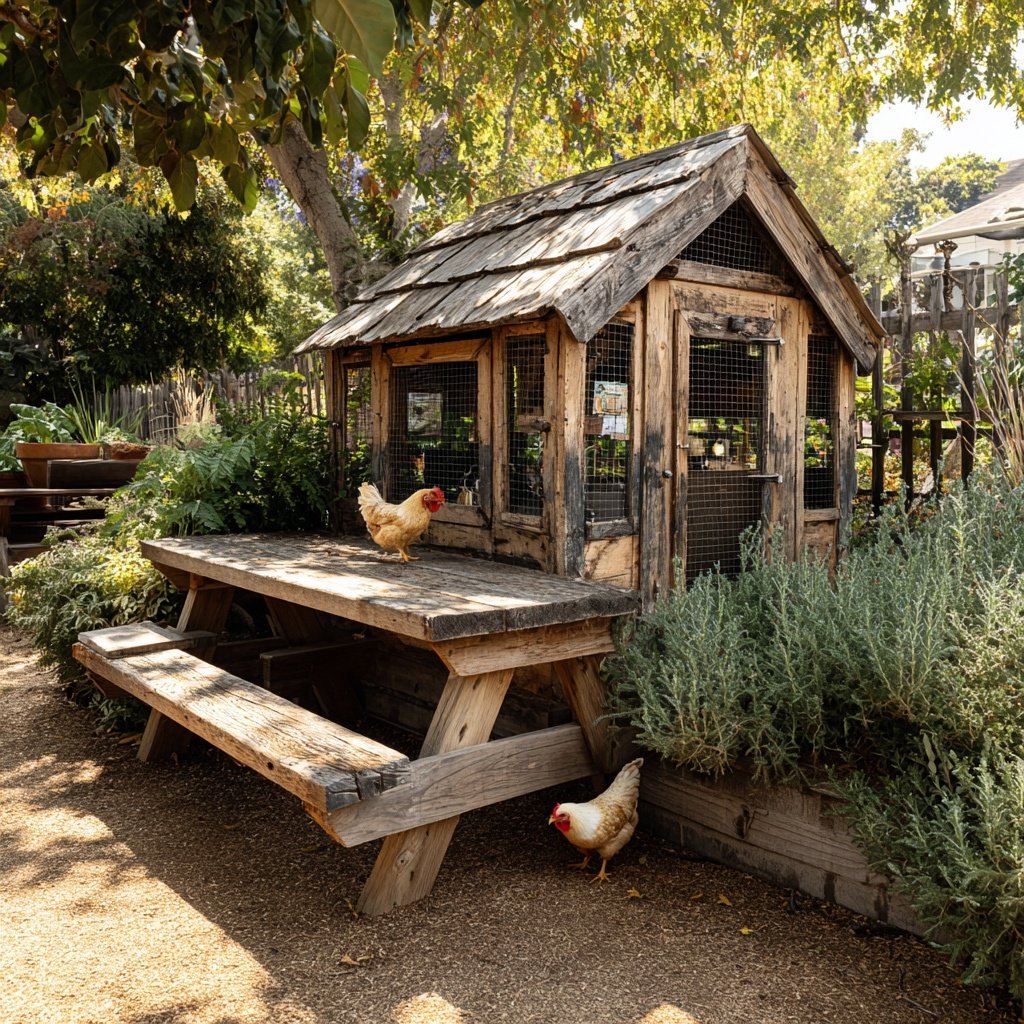
I absolutely love working on creative chicken run designs, and the concept of a covered chicken run has become one of my favorites. It combines functionality with aesthetics, allowing the chickens to roam freely while being protected from the elements. This design not only keeps them safe from predators but also provides a shaded area during hot weather. Over the years, I've learned some key tips and tricks to make a practical and beautiful chicken run that enhances both the garden and the chickens' lives.
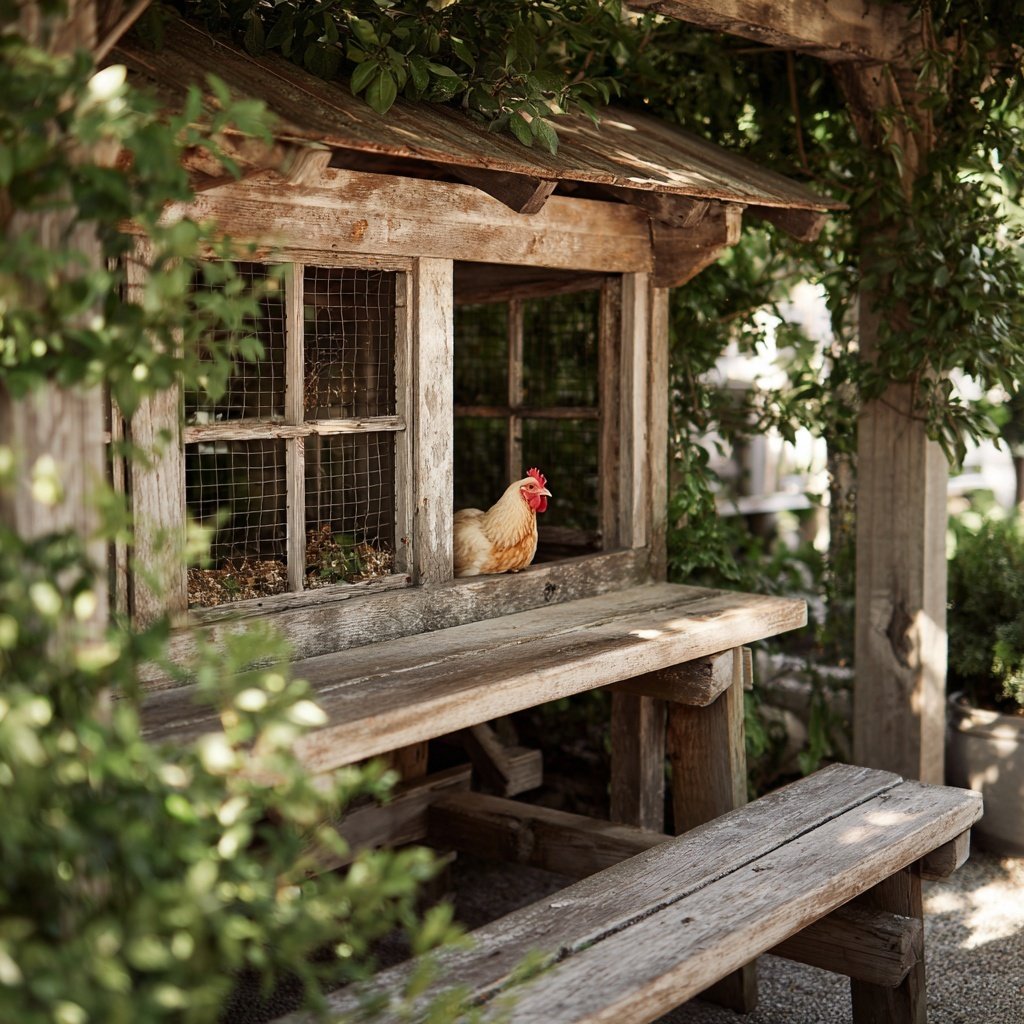
Creating a covered chicken run transformed my backyard into a little haven for my hens, and I can’t stress enough how beneficial it has been. Initially, I faced challenges with design stability and ensuring that it maintained adequate ventilation while keeping my chickens protected. After experimenting with various materials, I found that using light yet durable netting allowed for airflow while ensuring safety. This way, my chickens enjoy the outdoors without the constant worry of aerial predators.
One of the best features of this chicken run is the combination of shaded areas and exposure to sunlight. I added comfy nesting spots in both shaded and sunny regions, allowing my hens to choose their favorite lounging area. Plus, integrating plants around the run has beautified the space while providing additional shelter for my chickens. It's not just a run; it’s part of our backyard ecosystem, and my hens are happier than ever!
Why You'll Love This Covered Chicken Run
- Provides a safe and comfortable space for your chickens to roam.
- Keeps your hens protected from harsh weather and predators.
- Enhances the beauty of your backyard while serving a functional purpose.
Choosing the Right Location
When deciding on the location for your covered chicken run, it’s essential to consider various factors to ensure your chickens thrive. A flat area with good drainage is paramount—it prevents water from pooling and keeps the ground dry, which is healthier for your flock. Additionally, look for a spot that gets both sun and shade, allowing your chickens to regulate their temperature during hot days or cold evenings. Ideally, positioning the run near your coop will streamline feeding and maintenance.
Another consideration is the proximity to natural barriers that can provide extra protection from predators. For instance, placing your run near hedges or fencing can help deter unwanted guests. Remember, the easier it is for you to maintain the area, the healthier it will be for your chickens. Regular checks, cleaning, and ensuring the safety of the environment are crucial for their well-being.
Building Techniques for Durability
Utilizing heavy-duty materials for your chicken run can enhance its longevity and safety. When constructing the frame, opt for pressure-treated wooden posts that resist rot. To ensure a solid foundation, secure these posts with concrete anchors—allow them to set for at least 24 hours before proceeding to the next steps. This will create a sturdy base where the wire mesh and roofing can withstand the elements and any potential intruders.
When attaching the wire mesh, ensure that it is tightly secured to the frame using staples or clips, avoiding any gaps. A critical point to check is the bottom edge of the wire mesh; bury it at least 6 inches underground or extend it outwards to prevent burrowing predators. For additional reinforcement, you can layer the edges with rocks or bricks, which not only serves a practical purpose but can also add an aesthetic element to your run.
Enhancing Your Chicken Run Experience
Incorporating comforts for your chickens can significantly improve their quality of life. Adding nesting boxes inside the run allows your hens to lay eggs in a safe, designated area. Ensure these boxes are raised and filled with straw for comfort; about 12 inches of nesting space per chicken is ideal. Also, consider building shaded areas within the run using tarps or additional roofing materials, which can help prevent overheating during summer months and create cozy spots where chickens can rest.
Planting chicken-friendly herbs and vegetables within your run enhances not only the aesthetics but also provides edible forage for your flock. Consider planting items like lavender or mint, which can help deter pests while giving your chickens new foraging opportunities. Remember to monitor and manage any plants you introduce to ensure they remain safe for your chickens to eat and won’t disrupt the overall environment of the run.
Ingredients
Materials Needed
- Heavy-duty wire mesh
- Wooden posts
- Roofing material (e.g., corrugated plastic or metal)
- Concrete anchors
- Hinges and latches for doors
- Nesting boxes
- Feeding and watering stations
Instructions
Select the Location
Choose a flat area in your backyard that has good drainage and access to sunlight.
Build the Frame
Use the wooden posts to create a sturdy frame for the chicken run, securing it with concrete anchors.
Attach the Wire Mesh
Wrap the heavy-duty wire mesh tightly around the frame, ensuring no gaps where predators could enter.
Install the Roof
Attach your chosen roofing material securely on top to provide protection from rain and sun.
Create Entrances
Install doors with hinges and latches for easy access to the run and nesting boxes.
Set Up Feeding Areas
Position feeding and watering stations within the run, ensuring that they are easily accessible.
Add Comfort Features
Incorporate nesting boxes, shady areas, and even some plants to give your chickens a more natural environment.
Pro Tips
- Consider painting the wooden posts with non-toxic paint for added longevity and aesthetics. Regularly check for any wear or tear in the mesh to maintain safety.
Maintenance Tips
Maintaining your covered chicken run is crucial for keeping your flock healthy and happy. Regularly check the integrity of the wire mesh, especially after heavy storms or strong winds. Look for any areas where predators could potentially enter and repair them immediately. Cleaning the run at least once a week helps prevent disease; discard old food and droppings and replace bedding material in nesting boxes.
It's also beneficial to provide fresh water daily. Consider setting up a rainwater collection system that can provide a continuous source of hydration for your chickens. Position the waterers in shaded areas to prevent overheating. If you notice any changes in your chickens' behavior, such as lethargy or reduced egg production, it could indicate stress in their environment, prompting a reassessment of the run's conditions.
Scaling and Modifying the Design
If you are considering scaling up your chicken run, think about how to expand its area without compromising safety. You can create connected runs or utilize rotational grazing principles, which allow you to move your chickens to different areas of your yard. This not only gives them fresh grass and foraging opportunities but also helps minimize wear on the ground, allowing grass to recover between their visits.
For modifications, don’t hesitate to get creative with your designs. Adding vertical elements such as shelves or perches enhances the area for chickens to explore and helps them exercise. Additionally, incorporating automatic doors can enhance ease of access for feeding and cleaning while providing your flock with the security they need at night.
Questions About Recipes
→ How big should the chicken run be?
A run should ideally be at least 10 square feet per chicken for adequate space.
→ What materials are best for the roof?
Corrugated plastic or metal sheets are great for roofs as they are durable and weather-resistant.
→ Should I cover the run completely?
It depends on your area's climate; covering it can protect against predators and harsh weather.
→ How do I keep the run clean?
Regularly remove droppings and debris, and you may consider adding a layer of sand or straw for easier cleaning.
Covered Chicken Run Design
Created by: Eliza Thornton
Recipe Type: Worldly Creations
Skill Level: Intermediate
Final Quantity: 1 run
What You'll Need
Materials Needed
- Heavy-duty wire mesh
- Wooden posts
- Roofing material (e.g., corrugated plastic or metal)
- Concrete anchors
- Hinges and latches for doors
- Nesting boxes
- Feeding and watering stations
How-To Steps
Choose a flat area in your backyard that has good drainage and access to sunlight.
Use the wooden posts to create a sturdy frame for the chicken run, securing it with concrete anchors.
Wrap the heavy-duty wire mesh tightly around the frame, ensuring no gaps where predators could enter.
Attach your chosen roofing material securely on top to provide protection from rain and sun.
Install doors with hinges and latches for easy access to the run and nesting boxes.
Position feeding and watering stations within the run, ensuring that they are easily accessible.
Incorporate nesting boxes, shady areas, and even some plants to give your chickens a more natural environment.
Extra Tips
- Consider painting the wooden posts with non-toxic paint for added longevity and aesthetics. Regularly check for any wear or tear in the mesh to maintain safety.
Nutritional Breakdown (Per Serving)
- Calories: 0 kcal
- Total Fat: 0g
- Saturated Fat: 0g
- Cholesterol: 0mg
- Sodium: 0mg
- Total Carbohydrates: 0g
- Dietary Fiber: 0g
- Sugars: 0g
- Protein: 0g